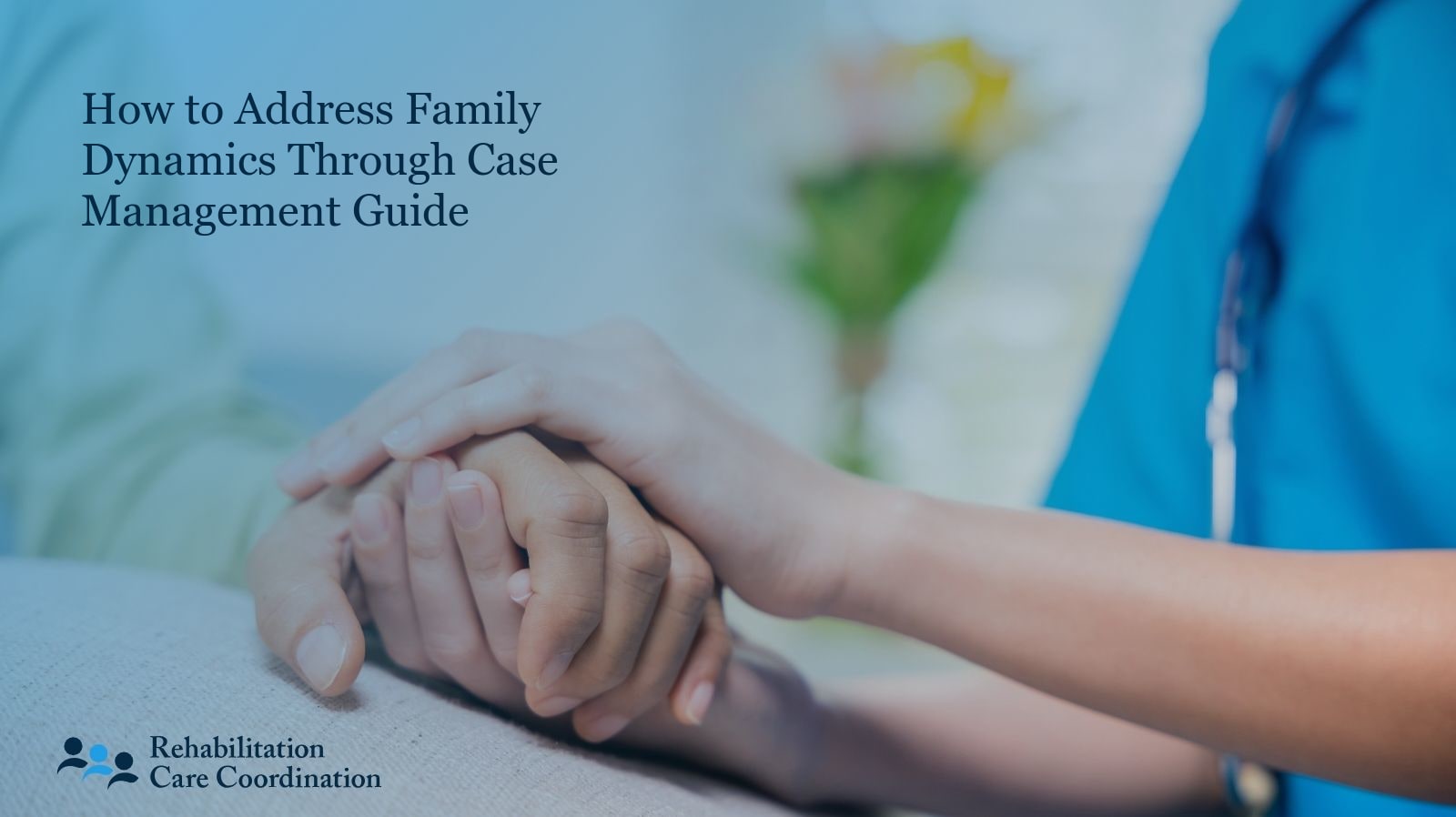
How to Address Family Dynamics Through Case Management
The Importance of Effective Case Management in Rehabilitation
Understanding Case Management
At Rehabilitation Care Coordination (RCC), we understand that navigating the complex pathways of medical recovery can be overwhelming for patients and their families. Effective case management is essential in ensuring that every aspect of the rehabilitation process is well-coordinated, from medical treatment to emotional support. Our dedicated team works diligently to streamline this journey, addressing all facets of a patient’s needs, including how to address family dynamics through case management.
The Role of Family Dynamics in Rehabilitation
Family dynamics play a pivotal role in the rehabilitation process. The interplay of relationships, emotions, and support within a family can significantly impact a patient’s recovery journey. At RCC, we emphasize the importance of understanding and managing these dynamics to create a supportive and healing environment. By closely collaborating with families, we aim to foster positive interactions that contribute to the overall well-being of our patients.
Setting the Stage for Addressing Family Dynamics
How Family Dynamics Impact Patient Recovery
The influence of family dynamics on patient recovery cannot be overstated. Positive family support can accelerate the healing process, providing emotional and psychological benefits that complement medical treatments. Conversely, unresolved conflicts or high-stress interactions can hinder recovery, leading to setbacks and additional challenges. Our goal at RCC is to identify these dynamics early and address them proactively to promote a harmonious and supportive environment for our patients.
The Need for a Comprehensive Approach
Addressing family dynamics requires a comprehensive approach that considers the unique circumstances of each patient and their family. At RCC, we employ a holistic method that integrates medical care with emotional and psychological support. By taking the time to understand the specific needs and relationships within each family, we create tailored care plans that foster positive outcomes for everyone involved. Our approach ensures that both patients and their families receive the support they need throughout the rehabilitation process.
Identifying and Understanding Family Dynamics
Assessing Family Interactions and Relationships
When addressing family dynamics through case management, a thorough assessment of family interactions and relationships is crucial. We begin by evaluating the communication patterns within the family. Are open and honest discussions encouraged, or is there tension that stifles effective dialogue? Understanding these nuances helps us identify potential challenges that might arise during the rehabilitation process.
In addition, observing how family members support or hinder the patient’s progress is essential. Some families may offer unwavering support, while others might unintentionally impede recovery through overprotectiveness or criticism. By assessing these dynamics, we can tailor our approach to meet the unique needs of each patient and their family.
Recognizing Potential Barriers to Successful Rehabilitation
Identifying potential barriers is a pivotal step in addressing family dynamics through case management. Emotional stress, role changes, and financial strain can significantly impact a patient’s journey toward recovery. If family members are overwhelmed or struggling to adapt to new roles, the patient may feel additional pressure, which can hinder progress.
We also consider cultural and socioeconomic factors that might influence family interactions. Cultural beliefs about disability and rehabilitation can shape how family members perceive and support the recovery process. By acknowledging and addressing these barriers early on, we can develop more effective strategies to facilitate a positive rehabilitation experience.
Strategies for Managing Family Dynamics
Effective Communication Techniques
Effective communication is the cornerstone of addressing family dynamics in case management. We employ techniques such as active listening and empathy to build trust and understanding among family members. Encouraging open dialogue allows family members to express their concerns and expectations, fostering a collaborative environment.
- Active listening: We attentively listen to both the patient and family members, ensuring their voices are heard and respected.
- Empathy: Demonstrating empathy helps create a supportive atmosphere where family members feel understood and valued.
Educating Families About the Rehabilitation Process
Education plays a critical role in managing family dynamics. We provide families with comprehensive information about the rehabilitation process, including what to expect and how they can best support their loved one. This knowledge empowers families to navigate challenges more effectively and fosters a sense of involvement in the patient’s recovery.
Workshops, informational materials, and one-on-one sessions are some tools we use to educate families. By demystifying the rehabilitation process, we alleviate fears and misconceptions, paving the way for smoother interactions and more constructive support systems.
Integrating Family Support into Case Management
Creating a Supportive Environment
Creating a supportive environment is crucial for the patient’s successful rehabilitation. We encourage families to participate in the recovery process actively. This involvement can take many forms, such as attending therapy sessions, providing emotional support, or assisting with daily tasks. When families work together, the patient often experiences faster and more sustainable progress.
Moreover, we ensure that family dynamics are considered when developing rehabilitation goals. By aligning these goals with family values and resources, we can create a more cohesive and supportive recovery plan.
Developing a Personalized Care Plan
A personalized care plan is essential for addressing family dynamics through case management. We tailor each plan to the specific needs and circumstances of the patient and their family. This customization ensures that all aspects of the patient’s recovery are considered, including physical, emotional, and social factors.
- Initial assessment: We conduct a detailed evaluation of the patient’s condition and family dynamics to create a baseline for the care plan.
- Ongoing support: We provide continuous support and adjustments to the care plan as the patient progresses, ensuring that the family remains engaged and the patient stays on track.
Did you know? Addressing family dynamics can boost rehabilitation success rates by up to 30%. Learning how to address family dynamics through case management helps create lasting positive outcomes for patients.
Bringing It All Together for Optimal Rehabilitation
Ensuring Sustainable Recovery with Effective Case Management
At Rehabilitation Care Coordination, we understand that the road to recovery is multifaceted and individualized. Family dynamics play a crucial role in this journey, often having a significant impact on a patient’s path to wellness. By recognizing and addressing these dynamics through our comprehensive case management approach, we elevate the standard of care and support we offer to our patients and their families.
Ongoing Support and Guidance
Our case managers are committed to providing continuous support and clear guidance throughout the rehabilitation process. By fostering open communication, educating family members, and creating a supportive environment, we ensure that the patient’s recovery is holistic and sustainable. We strive to integrate family support seamlessly, making it an integral part of each patient’s personalized care plan.
Long-term Benefits of Addressing Family Dynamics
How to address family dynamics through case management effectively is a question we continually explore to enhance our rehabilitation services. By proactively involving families in the process, we mitigate potential barriers to recovery and create a more cohesive and nurturing environment for the patient. The result is not only improved outcomes but also stronger, healthier family relationships that support ongoing rehabilitation efforts.
We believe that successful rehabilitation is a collaborative effort that extends beyond the individual to include their support system. By keeping communication channels open, providing education, and integrating family dynamics insightfully into our case management practices, we pave the way for more successful and enduring recoveries.
FAQ
What is the significance of family dynamics in the rehabilitation process?
Family dynamics play a central role in rehabilitation because strong family support can significantly enhance a patient’s recovery. On the other hand, unresolved conflicts or communication challenges within the family can complicate progress. Therefore, we always begin by assessing and understanding these dynamics to ensure the most effective support and intervention strategies are in place.
How does our case management approach incorporate family involvement?
We recognize that successful rehabilitation extends beyond the patient, so we actively include families in the care plan. Through regular communication, education on the rehabilitation process, and open discussions, our team integrates family support into every phase of recovery. This approach not only fosters trust but also helps address concerns before they become obstacles.
What challenges can arise from family dynamics during rehabilitation?
Sometimes, families experience stress, misunderstandings, or conflicting expectations, which can hinder the patient’s progress. We have seen that differing opinions about care, a lack of understanding about the rehabilitation process, and emotional tensions are common barriers. By identifying these issues early, we can implement targeted solutions and keep the recovery process on track.
How do we educate families about the rehabilitation process?
Education is a cornerstone of our supportive approach. We provide families with clear, accessible information about each stage of rehabilitation and encourage them to ask questions. Additionally, we offer guidance on how to best support their loved one, ensuring everyone is prepared to work together for sustainable recovery and improved family relationships.
What are the long-term benefits of addressing family dynamics through case management?
When we address family dynamics as part of our case management strategy, patients benefit from more holistic care and often achieve better long-term outcomes. Open communication and family education help prevent misunderstandings, foster resilience, and encourage lasting involvement in the patient’s wellbeing. In the end, we create stronger support networks and improved opportunities for sustainable, comprehensive recovery.