- Dallas-Fort Worth, TX
Life Care Planning Services in Dallas-Fort Worth, TX
Rehabilitation Care Coordination provides comprehensive life care planning services in Dallas-Fort Worth for individuals who have sustained catastrophic injuries and require long term medical and rehabilitative support.
A life care plan is a detailed projection of current and future medical, rehabilitation, equipment, home modification, attendant care, and case management needs after a serious injury. For individuals and families in Dallas-Fort Worth, the plan helps organize long term care requirements into a practical, medically supported roadmap.
Our work connects clinical evidence, provider input, and regional cost data so attorneys, insurers, fiduciaries, and families can understand the care needs and financial impact of catastrophic injury claims in Dallas-Fort Worth.
What Is a Life Care Plan
A life care plan is a comprehensive document that outlines the medical, rehabilitative, and supportive services an individual will require over the course of their lifetime as a result of injury or illness. Life care planning commonly includes:
Review of medical records and diagnostic reports
Consultation with treating providers
Assessment of current functional limitations
Projection of future therapies and interventions
Evaluation of equipment and assistive device needs
Estimation of long term care costs
The plan is grounded in clinical evidence and medical standards of care. It is not speculative. Each recommendation must be supported by documentation and professional analysis.
Who May Need a Life Care Plan in Dallas-Fort Worth?
Life care planning is most often required when injuries involve:
- Traumatic brain injury
- Spinal cord damage
- Severe orthopedic impairment
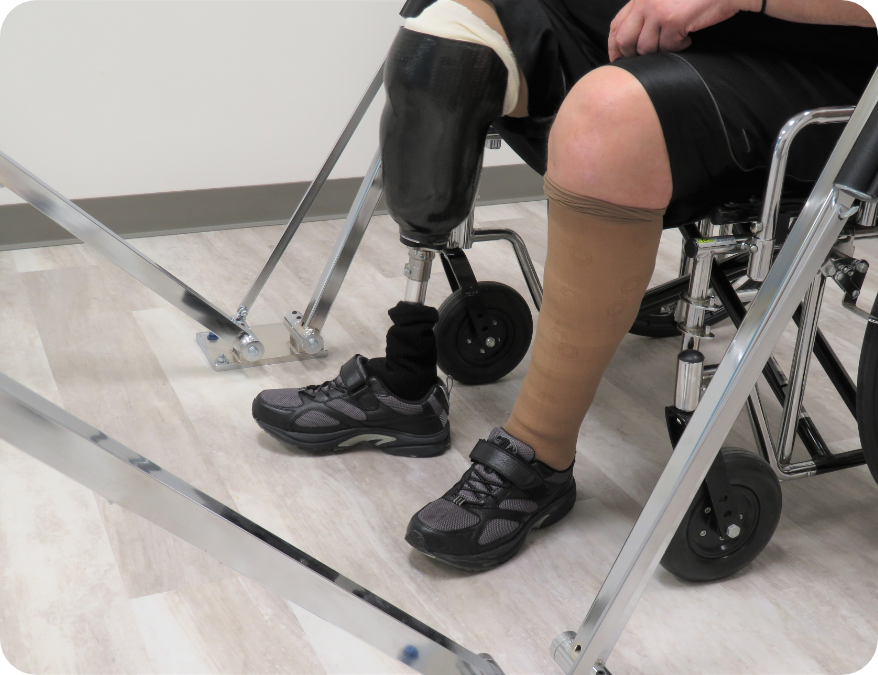
- Amputation
- Chronic pain syndromes with long term impact
- Birth injury or neurological conditions requiring lifelong support
Life care planning may be appropriate when a person in Dallas-Fort Worth has a spinal cord injury, traumatic brain injury, amputation, severe orthopedic trauma, burn injury, chronic pain condition, or another complex diagnosis that will require ongoing medical care and support.
When a Life Care Plan Becomes Necessary
Life care planning is appropriate when:
Permanent impairment is anticipated
Ongoing medical intervention is required
Long term therapy or attendant care is needed
Future surgeries or specialized treatments are likely
Settlement or litigation requires cost projection
A person in Dallas-Fort Worth who sustained a spinal cord injury may require future physician care, rehabilitation, durable medical equipment, home accessibility modifications, attendant care, transportation support, and periodic reassessment as medical needs change.
How Life Care Plans Are Developed in Dallas-Fort Worth
Rehabilitation Care Coordination follows a disciplined analytical process.
Medical Documentation Review
We conduct a thorough review of available medical documentation, imaging reports, and specialist evaluations to understand the full scope of injury.
Functional Assessment
We analyze current functional limitations and anticipated progression based on clinical evidence.
Provider Collaboration
We communicate with treating physicians and specialists to confirm future treatment recommendations and long term management plans.
Future Care Projection
We identify and quantify anticipated needs, including therapies, medications, equipment, and supportive services.
Cost Analysis
Costs are evaluated using regional provider information, published fee resources, durable medical equipment pricing, home modification estimates, and expected care frequency. This helps the life care plan reflect the practical cost of long term care in the Dallas-Fort Worth area.
This structured process ensures that each life care plan is medically grounded and logically supported.
Dallas-Fort Worth Specific Considerations
Life care planning in Dallas-Fort Worth may involve:
- Trauma center access
- Rehab provider networks
- Home modification costs
- Transportation logistics
Accurate projection requires understanding regional cost structures and healthcare access realities.

Frequently Asked Questions
What is the difference between case management and life care planning?
Case management focuses on coordinating current medical treatment. Life care planning projects long term future needs and associated costs.
Who prepares a life care plan?
Life care plans are prepared by qualified professionals with clinical expertise and experience analyzing long term injury outcomes.
How are future medical costs calculated?
Future costs are based on medical recommendations, frequency of services, regional cost data, and evidence based treatment standards.
Is life care planning only used in litigation?
While common in personal injury and workers compensation cases, life care planning may also be used for settlement evaluation, trust planning, and long term care decision making.
Why Comprehensive Life Care Planning Matters
In catastrophic injury cases, underestimating future needs can result in inadequate financial preparation and compromised long term care.
A structured life care plan improves:
Financial clarity
Medical necessity documentation
Settlement evaluation accuracy
Long term planning stability
Communication between medical and legal professionals
In Dallas-Fort Worth, where treatment options and provider networks are extensive, a disciplined projection process ensures realistic planning.
Request Life Care Planning Services in Dallas-Fort Worth
If you are managing a catastrophic injury case in Dallas-Fort Worth and require a comprehensive projection of future medical needs and costs, Rehabilitation Care Coordination provides structured life care planning services supported by clinical analysis. Contact us to discuss your life care planning needs.