The Importance of Early Intervention in Case Management
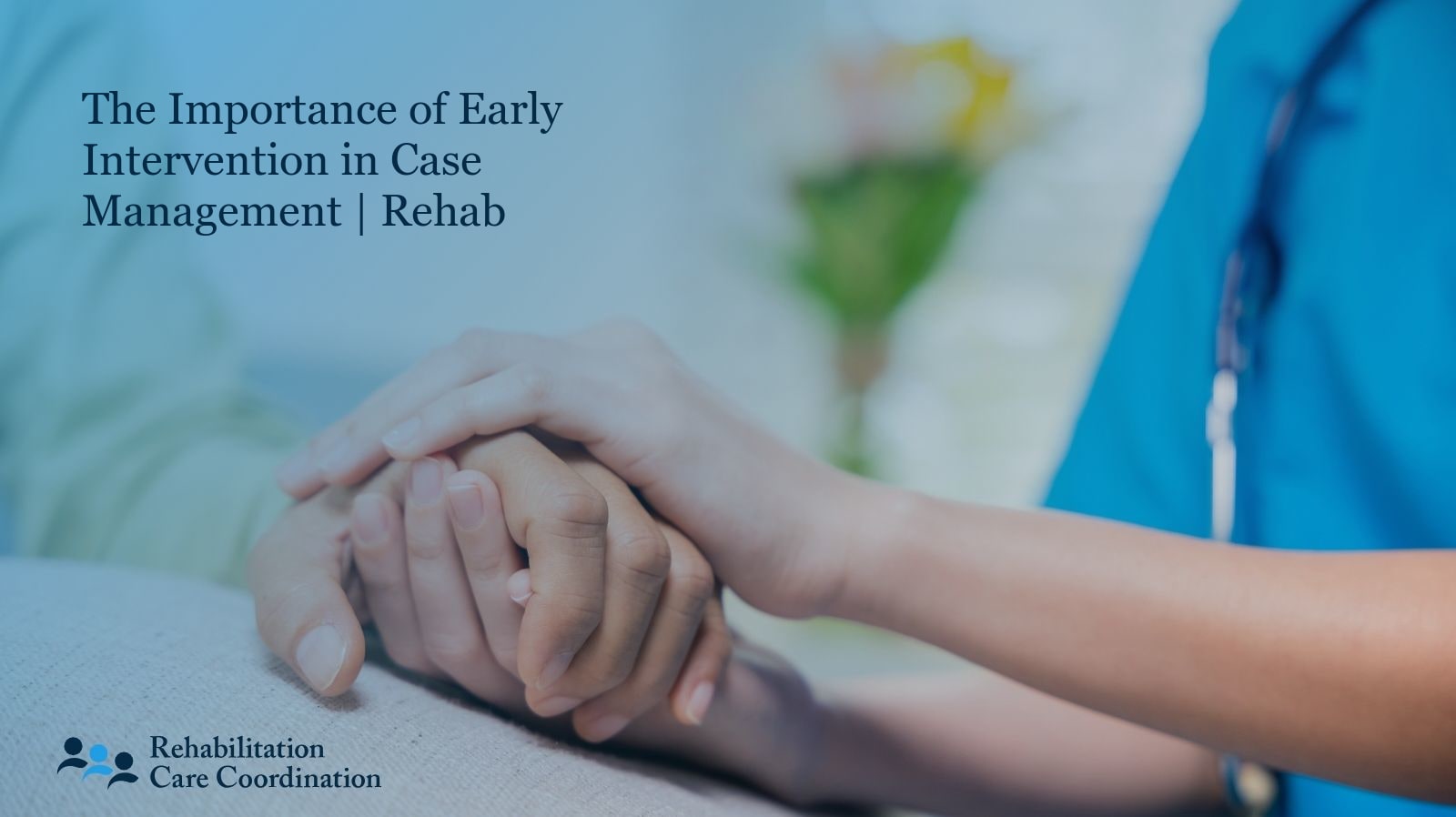
Overview of Early Intervention in Case Management
Definition of Early Intervention
The importance of early intervention in case management cannot be overstated. Early intervention refers to the timely introduction of coordinated healthcare services aimed at addressing and managing medical conditions at the onset, rather than later stages. This proactive approach ensures that patients receive appropriate care and resources as soon as possible, ultimately enhancing their recovery and quality of life.
Brief History and Evolution of Case Management
Case management has evolved significantly over the years to become a cornerstone of healthcare delivery. What began as a fragmented system of sporadic interventions has transformed into a streamlined, cohesive practice focused on coordinated, patient-centered care. Initially, case management was a reactive process, often initiated only after significant health declines. Now, with the advent of early intervention strategies, we are able to address health concerns proactively, leading to better outcomes for our patients.
The Critical Need for Early Intervention
Recent Statistics and Trends
Recent statistics underscore the critical need for early intervention in our healthcare system. Studies have shown that patients who receive early case management services exhibit a markedly lower rate of hospital readmissions and complications. The trends are clear: timely intervention not only saves lives but also enhances the efficiency of healthcare delivery. This proactive approach is particularly vital in complex medical cases, where delays in treatment can result in irreversible damage.
Case Example: Success Stories Due to Early Intervention
Consider the case of a patient diagnosed with a chronic condition. Early intervention through coordinated case management allowed us to develop a personalized care plan that addressed their unique needs. By engaging with healthcare providers, social workers, and the patient’s family from the outset, we were able to navigate the complexities of the healthcare system efficiently. The result was a significant improvement in the patient’s health and a notable reduction in the need for acute medical services. This is just one of many success stories that highlight the transformative power of early intervention in case management.
Impact on Patient Outcomes
Reduction in Hospital Readmissions
One of the key benefits of early intervention in case management is its significant impact on reducing hospital readmissions. By identifying potential complications early, we can implement timely interventions that prevent minor issues from escalating. Consequently, patients experience fewer disruptions to their recovery, allowing them to maintain consistent progress toward their rehabilitation goals. Moreover, less frequent hospital visits mean that patients and their families can enjoy a more stable daily routine.
Improved Quality of Life and Functional Independence
Early intervention also plays a crucial role in enhancing the overall quality of life and functional independence of our patients. Through personalized care plans that prioritize immediate needs and long-term goals, we help patients regain and sustain their independence. For example, engaging patients in targeted therapy sessions and providing adaptive equipment can significantly accelerate their recovery. As a result, patients can perform daily activities more efficiently and with greater confidence.
Cost-Effectiveness for Healthcare Systems
Lower Long-Term Healthcare Costs
The importance of early intervention in case management extends beyond patient outcomes to substantial cost savings for healthcare systems. Early identification and management of health issues reduce the need for expensive emergency care and long-term hospitalizations. This proactive approach ensures that healthcare resources are utilized more efficiently, ultimately reducing the financial burden on both the healthcare system and the patients. Furthermore, preventive care measures contribute to better health outcomes, thereby minimizing the likelihood of costly future medical interventions.
Enhanced Resource Allocation
Effective early intervention also enables better allocation of healthcare resources. By focusing on early detection and targeted intervention, we can allocate medical personnel, equipment, and time more judiciously. This optimized resource utilization not only improves the quality of patient care but also maximizes the overall efficacy of the healthcare system. Simply put, early intervention ensures that resources are available when and where they are most needed, creating a more responsive and adaptive healthcare environment.
Holistic Support for Patients and Families
Comprehensive Care Plans
Our commitment to early intervention allows us to create comprehensive care plans that address every aspect of a patient’s well-being. These plans are designed to be dynamic and adaptable, evolving alongside the patient’s condition. By coordinating various healthcare services, we ensure that patients receive continuous and consistent support. This holistic approach not only mitigates immediate health risks but also fosters long-term wellness and stability.
- Regular follow-ups and assessments
- Integration of multidisciplinary care teams
- Personalized therapy and rehabilitation programs
Bridging Gaps in Healthcare Coordination
The importance of early intervention in case management is also evident in how it bridges gaps in healthcare coordination. Often, patients and families encounter fragmented care pathways, making it challenging to navigate their healthcare journey. Early intervention helps streamline these pathways by providing a single point of contact for all case management needs. This coordination ensures that all healthcare providers are on the same page, thus enhancing communication and reducing the likelihood of errors or omissions in care.
- Consistent communication across healthcare providers
- Clear, concise care instructions for patients and families
- Seamless transitions across different levels of care
Did you know? Timely early intervention in case management can reduce hospital readmissions by up to 30%. The Importance of Early Intervention in Case Management lies in improved patient outcomes and greater system efficiency.
The Importance of Early Intervention in Case Management
As we’ve explored, early intervention in case management is pivotal to ensuring optimal patient outcomes. Through timely assessment and proactive care strategies, we can significantly reduce hospital readmissions and enhance the overall quality of life for patients. Our role at Rehabilitation Care Coordination is to make sure that every patient receives personalized, comprehensive plans tailored to their specific needs.
Empowering Patients and Their Families
Early intervention empowers both patients and their families by providing information, resources, and support. This holistic approach ensures that everyone involved is well-informed and confident in the care plan, which helps to reduce anxiety and stress associated with managing a health condition. By bridging gaps in healthcare coordination, we can provide a seamless, supportive experience that addresses all aspects of a patient’s well-being.
Cost Savings and Resource Optimization
Implementing early intervention strategies not only benefits patients but also offers significant financial advantages for healthcare systems. By addressing health issues promptly and efficiently, we can prevent complications that require costly long-term treatments. Improved resource allocation allows us to offer more personalized and timely care to a larger patient population, ultimately enhancing the entire healthcare system’s efficiency.
For a deeper understanding of how our team at Rehabilitation Care Coordination excels in case management, we invite you to explore our full range of services. We are committed to driving positive outcomes through innovative and compassionate care strategies.
Looking Ahead
The future of healthcare relies heavily on the importance of early intervention in case management. As we continue to evolve and adapt to new challenges, our dedication to proactive, patient-centered care remains steadfast. By embracing these approaches, we can ensure that healthcare systems are not only sustainable but also highly responsive to the needs of those they serve.
Thank you for joining us in this discussion. We look forward to continuing to provide exceptional care and support to our patients and their families.
FAQ
What is early intervention in case management?
Early intervention in case management refers to identifying and addressing a patient’s needs as soon as possible, often before challenges become more serious. By acting quickly, we can develop comprehensive care plans tailored to each individual, which helps improve health outcomes and ensures a smoother healthcare experience for both patients and their families. Early action enables us to prevent complications and coordinate resources more effectively.
How does early intervention benefit patient outcomes?
Addressing patient needs early often leads to fewer hospital readmissions and a noticeable improvement in quality of life. Our team focuses on timely assessment and proactive care, which helps patients achieve greater functional independence. Additionally, families receive more support, resulting in better overall satisfaction and peace of mind. With early intervention, we can truly make a long-term positive difference in our patients’ lives.
Why is early intervention cost-effective for healthcare systems?
Investing in early intervention allows us to address health issues before they escalate, thereby reducing the need for costly long-term treatments and emergency interventions. As a result, healthcare resources are used more efficiently and budgets can be allocated to serve more patients with high-quality, personalized care. Ultimately, early intervention helps healthcare systems remain sustainable and responsive to changing needs.
How do patients and families benefit from holistic case management?
Holistic case management places the patient and their family at the center of the care plan, ensuring their medical, emotional, and social needs are met. By providing comprehensive support and access to resources, we reduce gaps in healthcare coordination and empower families to make informed decisions. This approach also decreases stress and anxiety, leading to better health outcomes and a more positive care experience for everyone involved.
What role does early intervention play in the future of case management?
As healthcare evolves, embracing early intervention strategies will become even more essential. Proactive, patient-centered care helps us address complex health needs efficiently and stay ahead of potential challenges. By focusing on early assessment and tailored intervention, we help ensure healthcare systems are both effective and adaptable, safeguarding the well-being of our patients for years to come. The importance of early intervention in case management cannot be overstated as we continue to innovate and improve our services.