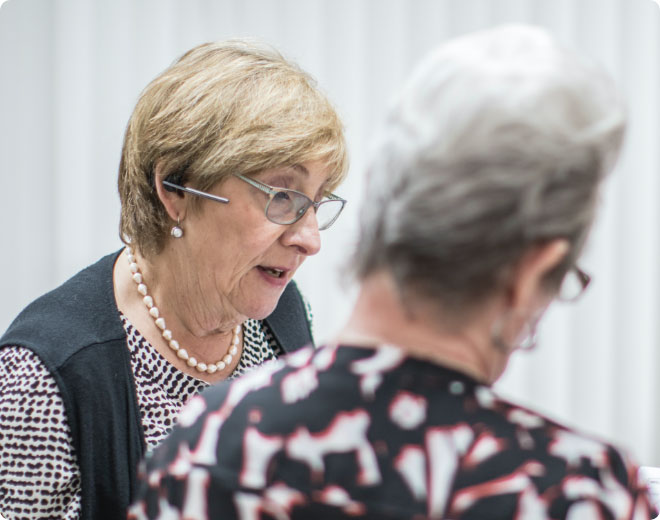
The Importance of Interdisciplinary Collaboration in Case Management

Setting the Stage: The Role of Case Management in Healthcare
Overview of Case Management
At Rehabilitation Care Coordination, we understand the importance of interdisciplinary collaboration in case management. Our focus is to guide patients and their families through complex medical recoveries with coordinated and compassionate care. Case management involves a systematic process of assessing, planning, implementing, coordinating, monitoring, and evaluating the options and services required to meet an individual’s health needs. The goal is to provide quality care in an efficient manner while maximizing the patient’s functional abilities.
Historical Context and Evolution
The concept of case management has evolved significantly over the years. Initially, case management was primarily seen as a logistical and administrative function, primarily involving the organization of services and resources for patients. However, with the growing complexity of healthcare, the role has expanded to include more comprehensive and patient-centered approaches. Today, we see case managers playing a critical role in interdisciplinary teams, bringing together various specialties and services to deliver holistic care to patients.
Defining Interdisciplinary Collaboration
What Is Interdisciplinary Collaboration?
Interdisciplinary collaboration involves the integration of knowledge and skills from multiple disciplines to achieve the best possible outcomes for patients. In the context of case management, this means working with healthcare providers from different specialties, including physicians, nurses, therapists, and social workers, to create and implement a comprehensive care plan. The collaborative approach ensures that all aspects of a patient’s health and well-being are addressed, leading to better outcomes and increased patient satisfaction.
The Importance of Interdisciplinary Collaboration in Case Management
Interdisciplinary collaboration is crucial for effective case management because it allows for a holistic view of the patient’s needs and challenges. When professionals from different fields work together, they can share insights, brainstorm innovative solutions, and provide more balanced care. This collaborative approach minimizes communication gaps and ensures that every team member is on the same page, which is vital for the patient’s recovery journey.
Enhancing Patient Outcomes Through Collaborative Efforts
Collaborative efforts significantly boost patient outcomes by leveraging the strengths of a multidisciplinary team. When healthcare professionals work together, they bring diverse expertise to the table. This collective knowledge ensures that all aspects of a patient’s care are addressed comprehensively and efficiently.
Benefits of a Multidisciplinary Approach
There are numerous benefits to adopting a multidisciplinary approach in case management. By involving various specialists, we can develop a more holistic care plan that addresses both the immediate and long-term needs of our patients. This approach not only enhances clinical outcomes but also improves patient satisfaction.
- Comprehensive care planning
- Improved patient outcomes
- Enhanced communication between professionals
Real-World Examples of Successful Collaboration
Consider a scenario where a patient with a spinal cord injury receives care. The collaboration between a physiotherapist, occupational therapist, and social worker can create a robust rehabilitation plan that addresses mobility, daily activities, and social reintegration. By sharing insights and observations regularly, these professionals ensure that the care plan is both effective and adaptive.
Breaking Down Silos: Communication Is Key
Effective communication is the cornerstone of interdisciplinary collaboration. It ensures that all team members are updated and can contribute their expertise at the right time. To facilitate better communication, we employ several strategies that help break down silos in care coordination.
Strategies for Effective Communication
We utilize regular interdisciplinary meetings, shared electronic health records, and standardized communication protocols. These tools enable our team members to stay informed and provide timely interventions. Moreover, fostering a culture of open communication encourages team members to share valuable insights that can improve patient care.
- Regular interdisciplinary meetings
- Shared electronic health records
- Standardized communication protocols
Overcoming Roadblocks and Common Challenges
Despite the numerous benefits, interdisciplinary collaboration can face challenges such as differing professional perspectives or logistical barriers. To overcome these roadblocks, we promote mutual respect and understanding among team members. Additionally, using technology to bridge communication gaps helps mitigate logistical issues.
The Future of Case Management: Moving Toward a Holistic Model
The Long-term Impact of Interdisciplinary Collaboration in Case Management
The long-term impact of interdisciplinary collaboration extends beyond immediate patient outcomes. By fostering a collaborative environment, we not only enhance the quality of care but also contribute to the overall efficiency of the healthcare system. As we move towards a more holistic model of care, the significance of effective collaboration among healthcare professionals becomes even more apparent.
Did you know that interdisciplinary collaboration in case management can lead to improved patient outcomes?
The merging of skills from different healthcare disciplines enhances care quality by addressing complex patient needs more comprehensively. This collaboration is central to modern case management, underscoring the importance of team-based approaches in healthcare environments.
The Next Steps in Interdisciplinary Collaboration
As we look to the future of healthcare, it is clear that interdisciplinary collaboration will play a pivotal role in the ongoing evolution of case management. By bringing together diverse expertise and perspectives, we can create a more comprehensive and patient-centered approach.
Innovations and Emerging Trends
Technology and innovation continue to reshape the way we deliver care. From telehealth to artificial intelligence, new tools and methodologies offer exciting possibilities for improving communication and coordination among healthcare professionals. These advancements enable us to maintain seamless interactions, even when team members are geographically dispersed.
Moreover, as patient needs become increasingly complex, the necessity for a holistic model of care becomes even more apparent. Innovations in electronic health records (EHR) and integrated care platforms allow for real-time sharing of patient information, enhancing the synergy between different specialties. This improved access to comprehensive patient data enables better decision-making and more personalized care plans.
To learn more about how we are advancing the field of case management through interdisciplinary collaboration, explore our resources and insights.
Join Us in Shaping the Future
We invite all healthcare professionals, patients, and stakeholders to join us in this mission. By fostering a culture of collaboration and innovation, we can pave the way for a future where every patient receives the highest quality of coordinated care. Together, we can make a lasting impact and transform the case management landscape for the better.
FAQ
What is the role of case management in healthcare?
The role of case management in healthcare is to coordinate care and services for patients, especially those with complex medical needs. By managing a patient’s comprehensive care plan, we ensure that all aspects of health are addressed in a cohesive and efficient manner.
Why is interdisciplinary collaboration important in case management?
Interdisciplinary collaboration is crucial because it brings together diverse expertise and perspectives, which leads to more comprehensive and patient-centered care. Emphasizing such cooperation enhances patient outcomes, reduces readmissions, and improves the management of chronic conditions.
What are some strategies for effective communication among healthcare professionals?
Some strategies include the implementation of integrated care platforms for real-time information sharing, regular interdisciplinary meetings, and the use of clear, standardized protocols to ensure that every team member is informed and engaged in providing coordinated care.
What innovations are shaping the future of case management?
Technological advancements like telehealth, artificial intelligence, and improved electronic health records are playing a significant role. These innovations streamline communication, foster better decision-making, and facilitate personalized care plans, thereby advancing the field of case management.
How can healthcare professionals join the movement towards a holistic model of care?
Healthcare professionals can join by embracing a culture of collaboration, adopting new technological tools, and continuously seeking educative resources. Together, we can contribute to a healthcare system that prioritizes comprehensive care and addresses every aspect of the patient’s health journey.